ENVY™ Ozone Treatment
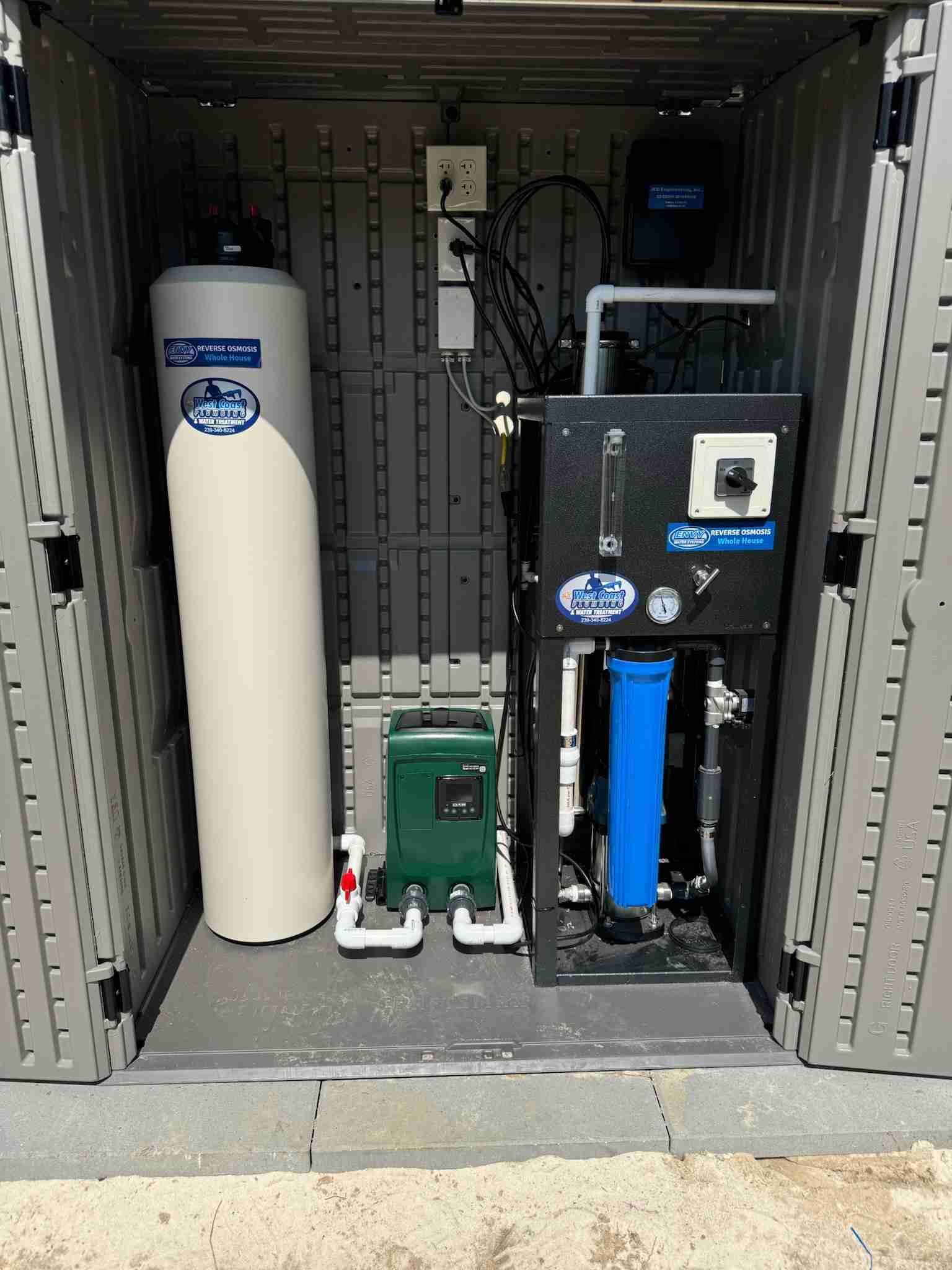
Powerful, Chemical-Free Water Purification
An Ozone Water Treatment System uses the natural power of ozone (O₃) to purify water without chemicals or harsh additives. Ozone is one of the most powerful oxidizers available and is highly effective at disinfecting water, eliminating bacteria, viruses, and organic contaminants. Commonly used in well water applications, ozone treatment ensures your water is clean, safe, and fresh—without the need for chlorine.
Powerful & Eco-Friendly Ozone Water Treatment
Ozone oxides the iron, manganese, and sulfur in the water to form insoluble metal oxides or elemental sulfur. These insoluble particles are then removed by post-filtration . Organic particles and chemicals will be eliminated through either coagulation or chemical oxidation.
- Ozone is Generally Recognized as Safe (GRAS) by the FDA for the water processing, water bottling, and food processing industries.
- Ozone is totally organic and environmentally friendly
- Ozone decreases cleanup time and reduces labor costs
- Ozone is effect over a wide pH range and rapidly reacts with bacteria, viruses, and protozoans and has stronger germicidal properties then chlorination. Has a very strong oxidizing power with a short reaction time.
- The treatment process does not add chemicals to the water.
- Ozone can eliminate a wide variety of inorganic, organic and microbiological problems and taste and odor problems. The microbiological agents include bacteria, viruses, and protozoans (such as Giardia and Cryptosporidium).
How It Works
Ozone is generated on demand by an ozone generator, which converts oxygen into ozone gas. This gas is then injected into the water through a mixing tank or contact chamber. As ozone interacts with the water, it oxidizes and neutralizes:
- Iron, manganese, and sulfur
- Bacteria and viruses
- Organic matter and odors
- Once ozone finishes its work, it naturally breaks down back into oxygen—leaving no chemical residue.
System Components
Ozone Generator
Creates ozone from ambient air or pure oxygen.
Injection System Delivers ozone gas into the water stream efficiently.
Contact Tank Allows ozone time to react fully with water.
Filtration System (optional) Removes oxidized particles such as iron or manganese post-treatment.
Key Benefits Chemical-free disinfection Learn More Effective treatment for iron, sulfur, and bacteria in well water Learn More Removes odors (e.g., rotten egg smell) Learn More Eco-friendly—ozone breaks down into oxygen Learn More Improves water clarity and taste Learn More Ideal For Homes with private well water Water with high iron, sulfur, or bacteria levels Families seeking a non-chemical water treatment option Eco-conscious homeowners Ozonation Process The formation of oxygen into ozone occurs with the use of energy. This process is carried out by an electric discharge field as in the CD-type ozone generators (corona discharge simulation of the lightning), or by ultraviolet radiation as in UV-type ozone generators (simulation of the ultraviolet rays from the sun). In addition to these commercial methods, ozone may also be made through electrolytic and chemical reactions. In general, an ozonation system includes passing dry, clean air through a high voltage electric discharge, i.e., corona discharge, which creates and ozone concentration of approximately 1% or 10,000 mg/L. In treating small quantities of waste, the UV ozonation is the most common while large-scale systems use either corona discharge or other bulk ozone-producing methods.
The raw water is then passed through a venturi throat which creates a vacuum and pulls the ozone gas into the water or the air is then bubbled up through the water being treated. Since the ozone will react with metals to create insoluble metal oxides, post filtration is required.
Frequently Asked Questions
Ozone treatment is highly effective at removing iron, manganese, hydrogen sulfide (rotten egg smell), bacteria, viruses, and organic matter. It’s especially useful for well water with odor, taste, or microbial concerns.
Yes. Ozone is a powerful but natural disinfectant that breaks down into oxygen after treatment, leaving no harmful chemicals or residue. It’s widely used in bottled water production and municipal water treatment worldwide.
In many cases, yes. Ozone can replace chlorine as a chemical-free disinfectant. However, in some high-risk water supplies, it may be used alongside UV or filtration for added protection and effectiveness.
Yes. While ozone oxidizes contaminants, a post-filtration system is needed to remove the particles it neutralizes—especially for iron, manganese, and sulfur. A sediment or backwashing filter is commonly used.
Ozone systems are low maintenance, but they do require regular checks of the ozone generator and occasional cleaning of injectors or contact tanks. If your system uses an air dryer or oxygen concentrator, filters may need periodic replacement.
Elite Plumbers At Your Service
For more information or to schedule an installation please call 864-214-3250